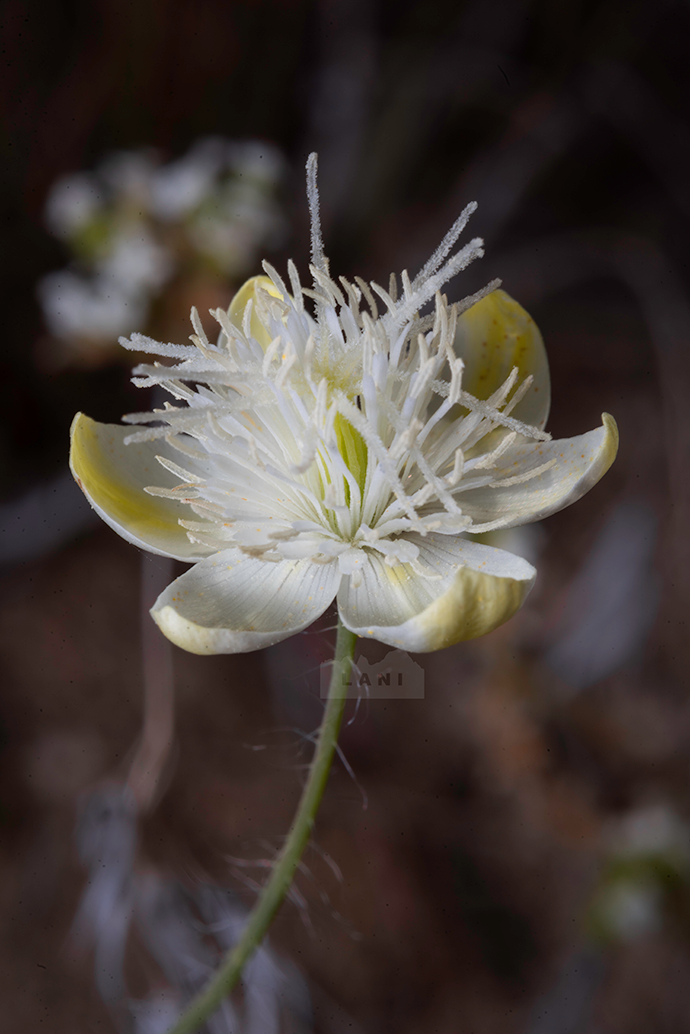
Hunt for the rare Pigmy Poppy (Canbya candida)
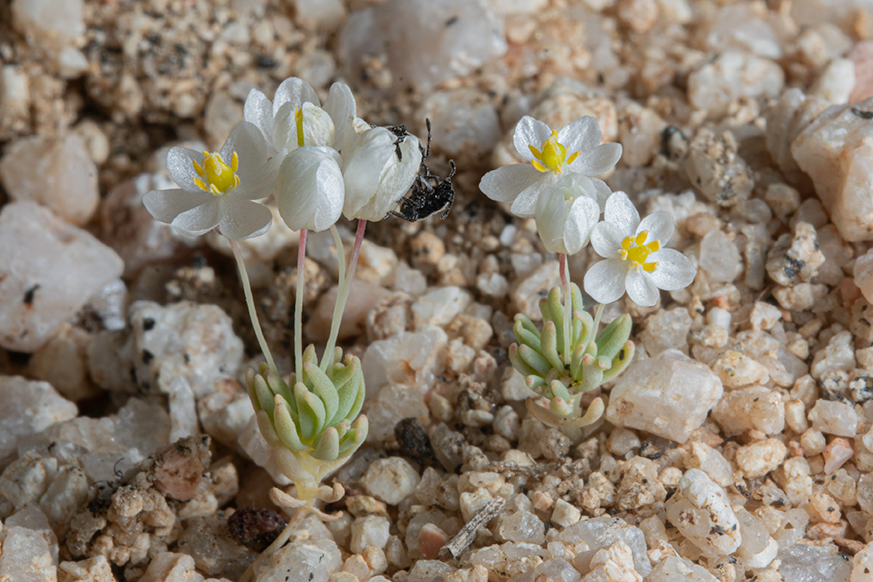
I’ve been looking for this plant ever since it first came on my radar a decade ago. Multiple focused excursions over several years yielded no results. Maybe my timing was wrong. Maybe my eyes chose to overlook it (I’m still surprised at how much harder it was to see than I’d even expected). But… I finally found it 3/21/2026!! The elusive Pigmy Poppy (Canbya candida).
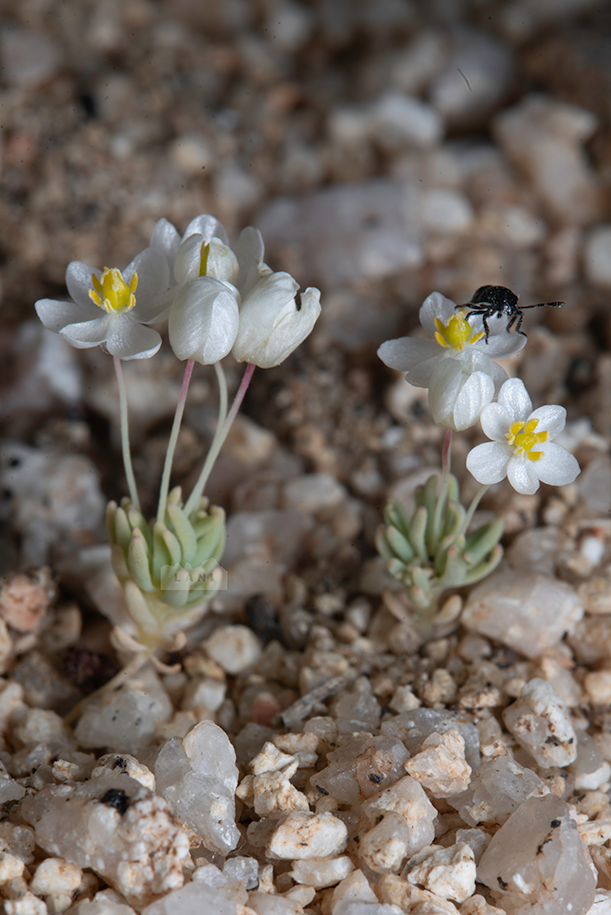
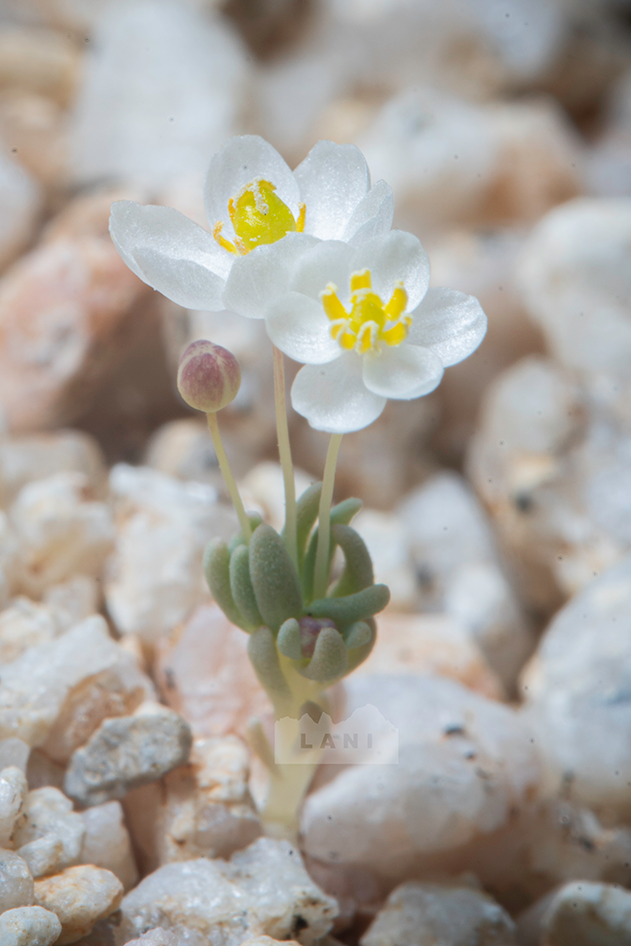
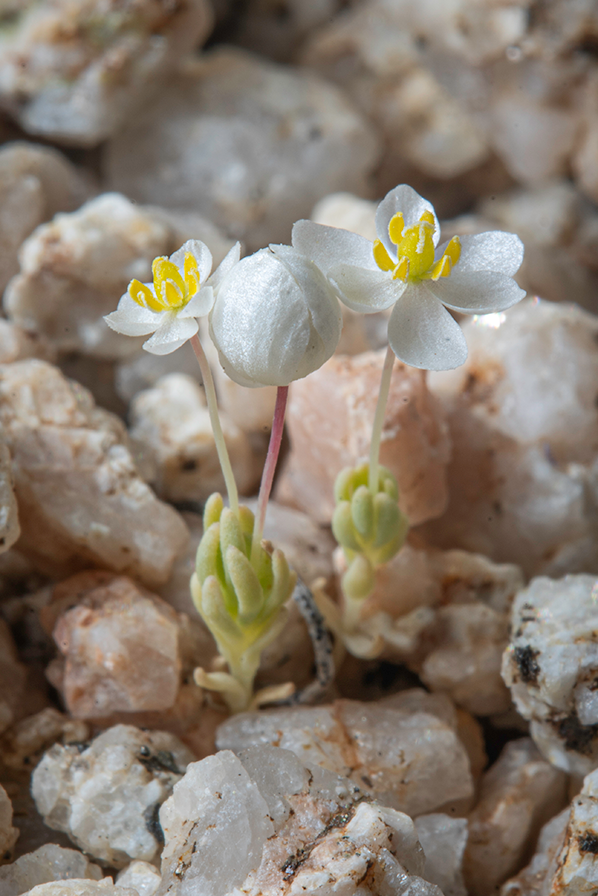
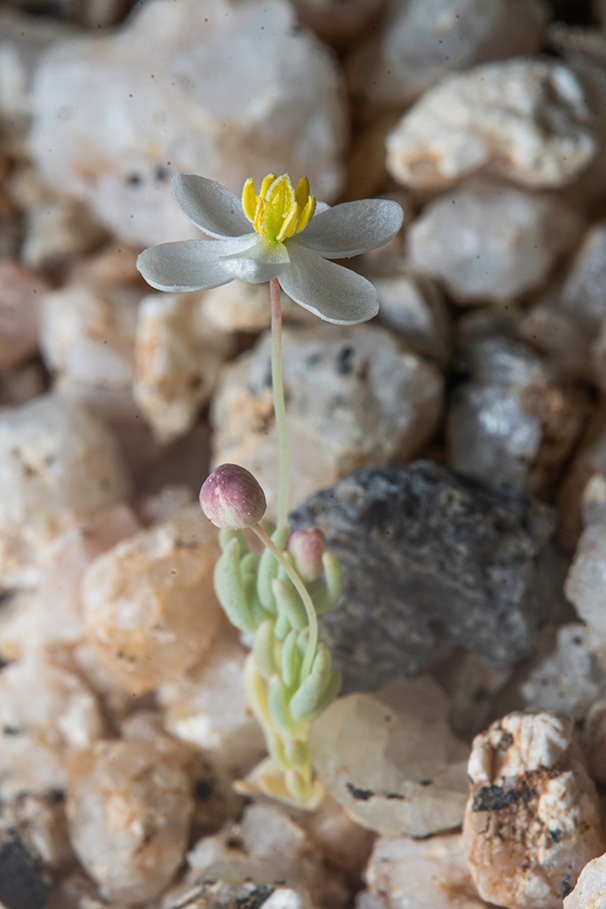
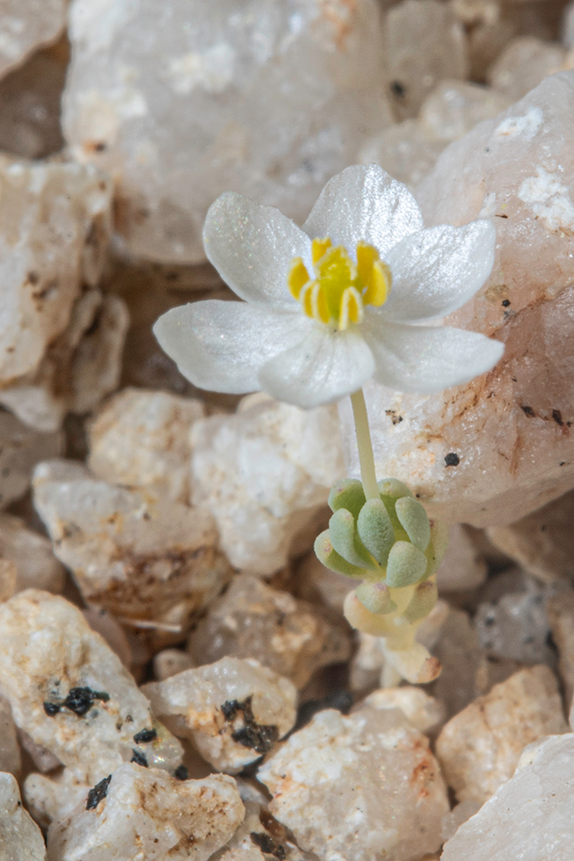
“Cute” and “adorable” always seemed like apt descriptors for me. Terms I’ve never attributed to any other plant before, but this one gives me a similar feel as when I see a baby horned lizard. I stand by it. These cute poppies ARE adorable. One of my most exciting finds!
Part of the cuteness, to me, comes from its size. Its mall size makes it nearly invisible. Not sure what I was expecting, but one of the things I did not expect was the looseness and coarseness of the decomposed granite where it grows. Based on no information, I would assume that this species must be more wide spread than the current records would suggest. I say this to justify how difficult it was for me to spot it. Still, it has a California Rare Plant Rank of 4.1.The least rare of the rare ranked plants.
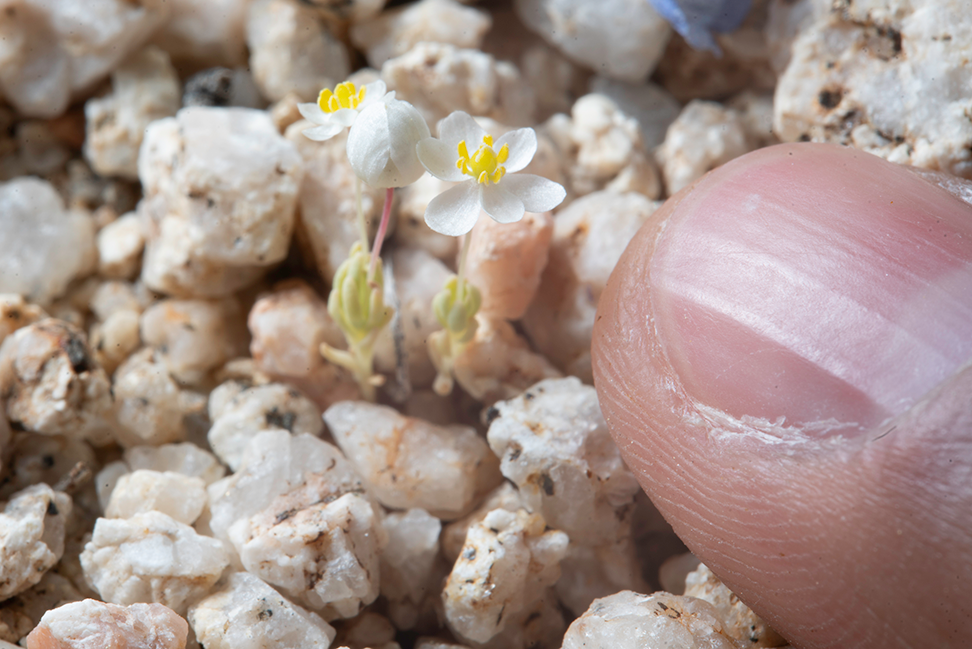
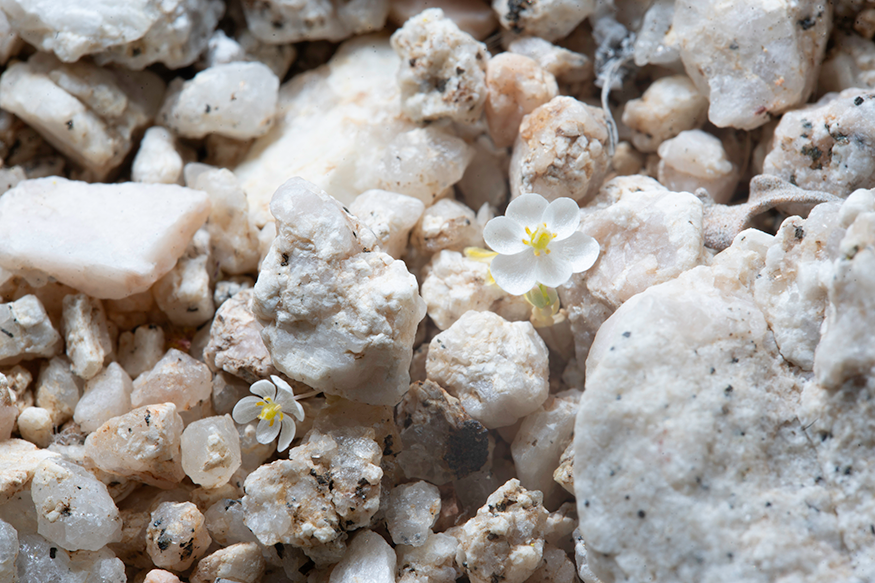
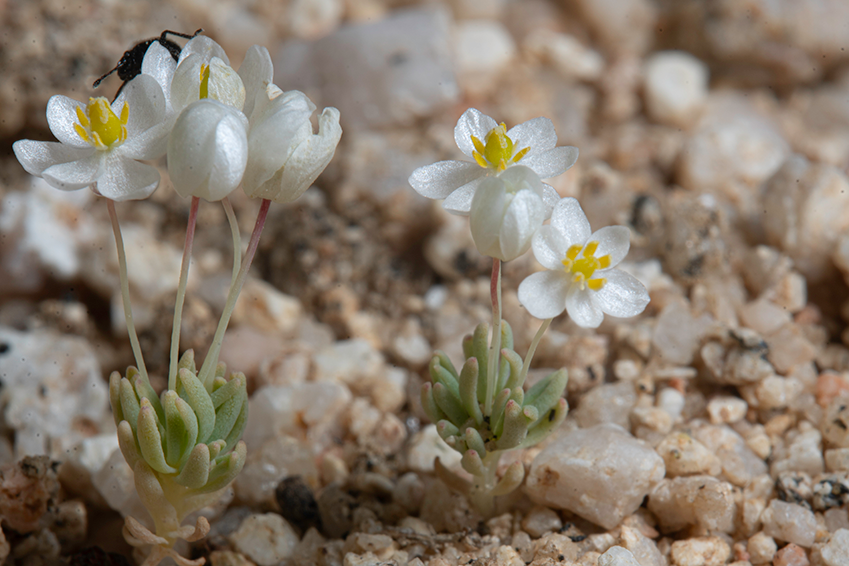
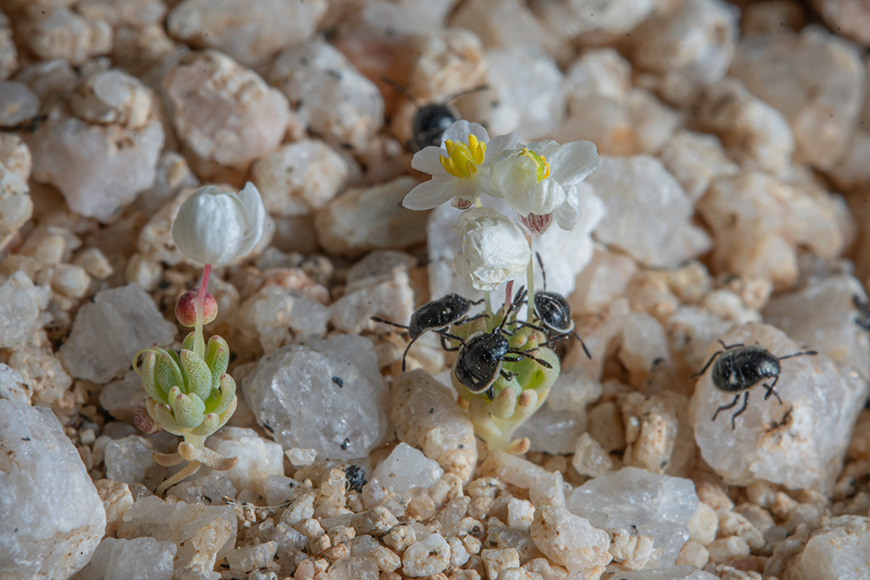
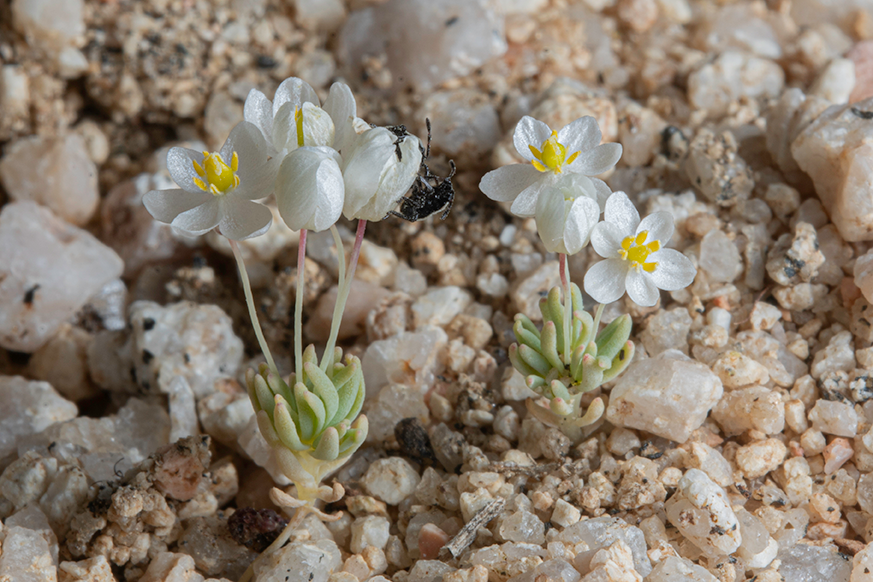
While incidental observations are great, I was not about to leave this to chance. I needed all the help I could get. I used CNPS occurrence records to decide what location I’d like to explore. The record selected was in northern Kern County. I was at this location with a friend just a couple of weeks back. We decided to try our luck then on our demobilization from a short trip exploring the areas around Owen’s Valley. I knew that this location would be a great place to spend a day even if the search for pigmy poppies was a bust. Thankfully luck was on my side this time around. I ow my search companion an introduction to these adorable plants.
It sounds a bit dramatic, but I only spotted the pigmy poppies once I’d made the soft decision to leave. I was demobilizing when my anxiety told me to have one last look before giving up. It was only then that I found them.
For the job, I used a 100mm telephoto lens and a handheld flash. I was happy with the results, but by the time I got to the pygmies, I’d already spent a few hours trying to learn my system through photographing other observations. I was happy with the progress I made.
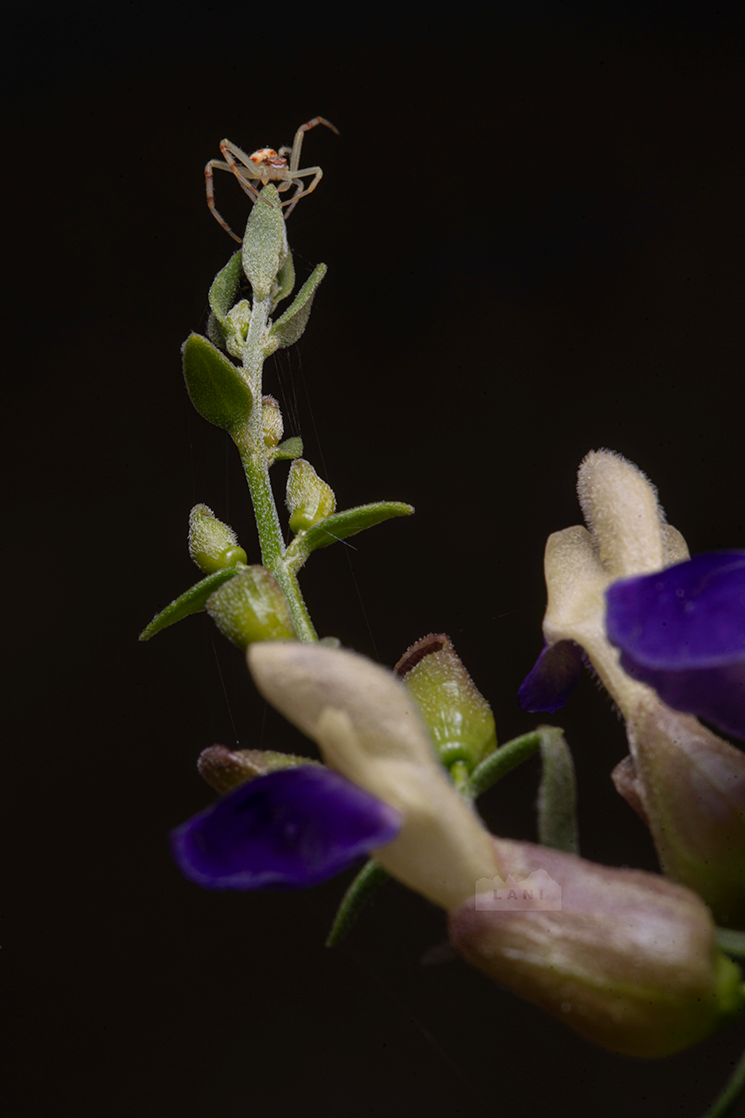
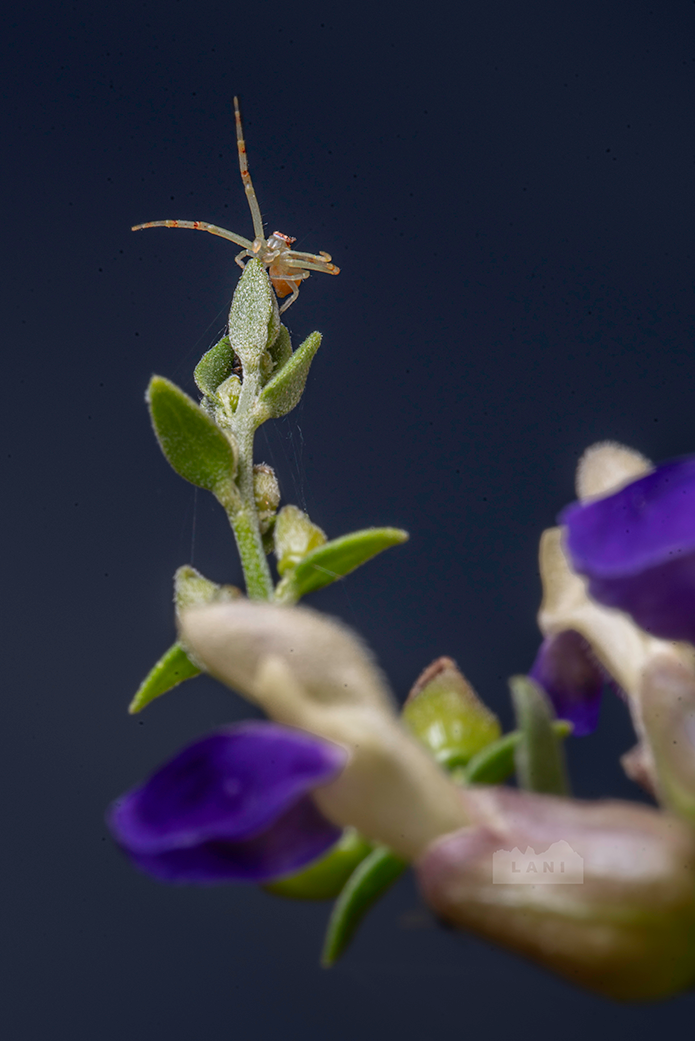
One net observation was a small spider conducting an orchestra of Scutellaria mexicana (Mexican bladdersage or paperback bush).
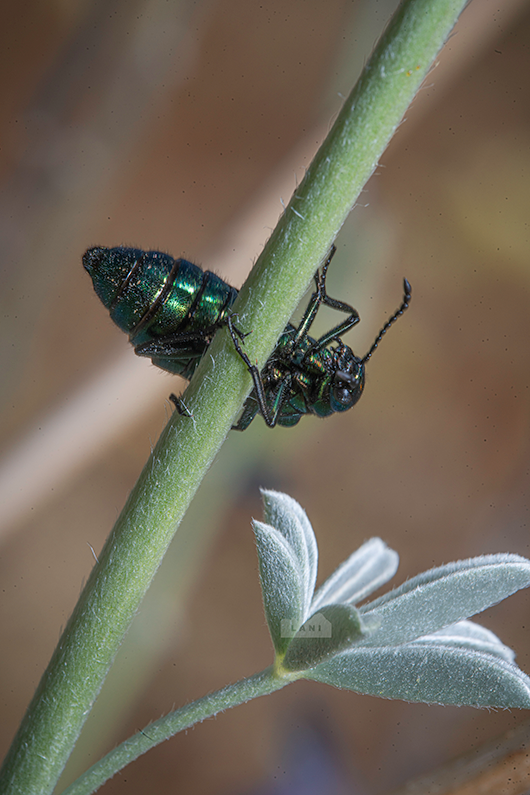
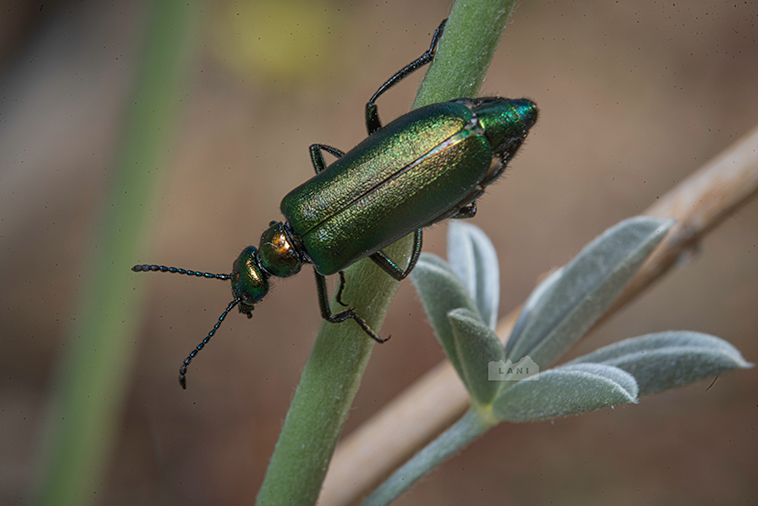
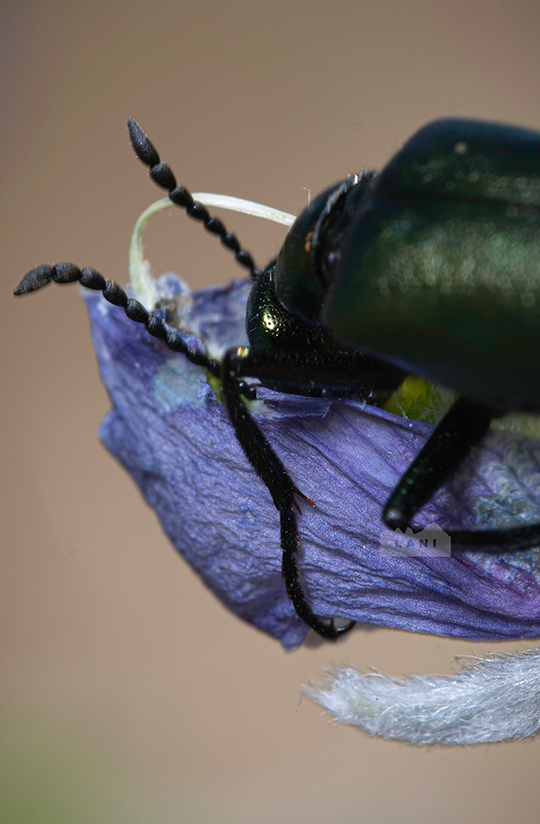
Another winner was this jewel-like green dock battle (?). enjoying the bush lupine.
The spider in the second act during the crescendo.
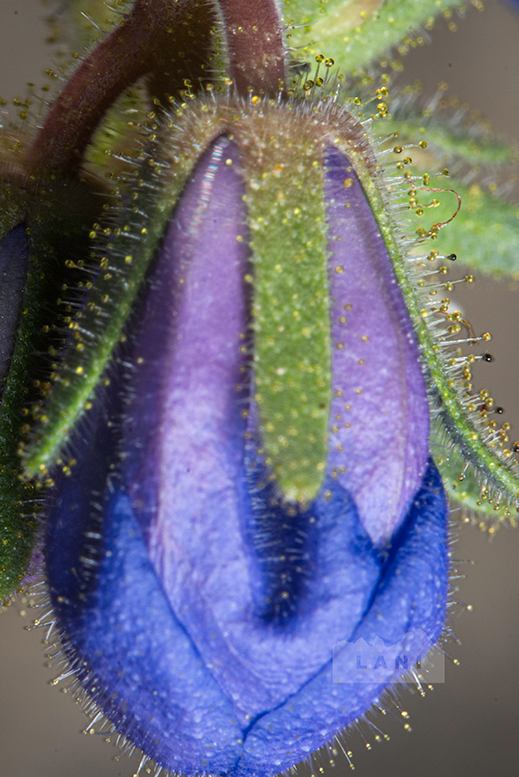
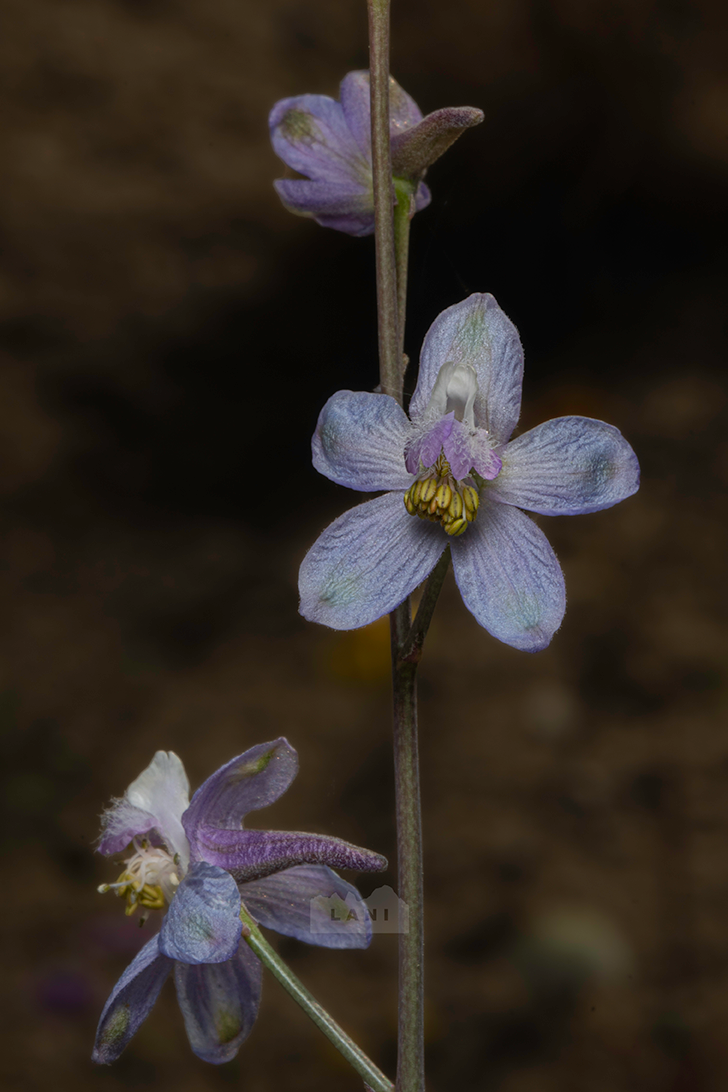
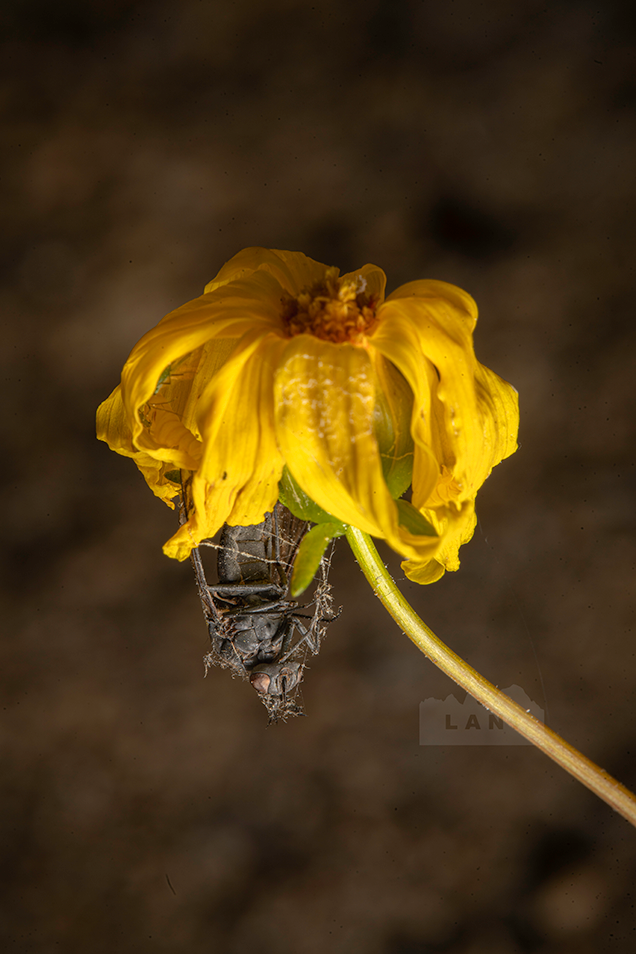
And a few more observations including creme cups, glandular phacelias, and delphinium amongst many more.