luismaguilar1@gmail.com Aguilar luismaguilar1@gmail.com Aguilar

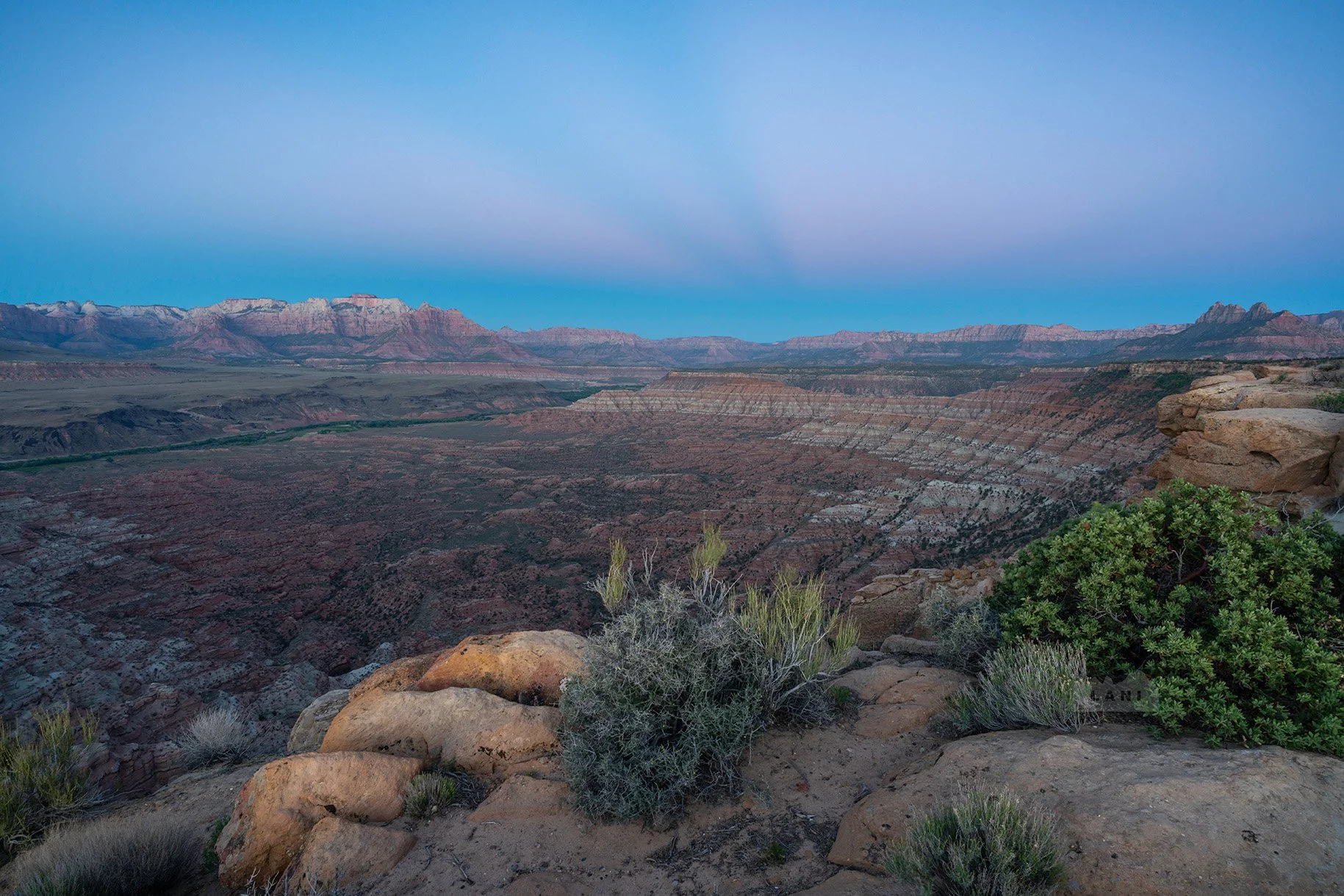
Incredible Views Along the Grand Canyon’s Northern Rim

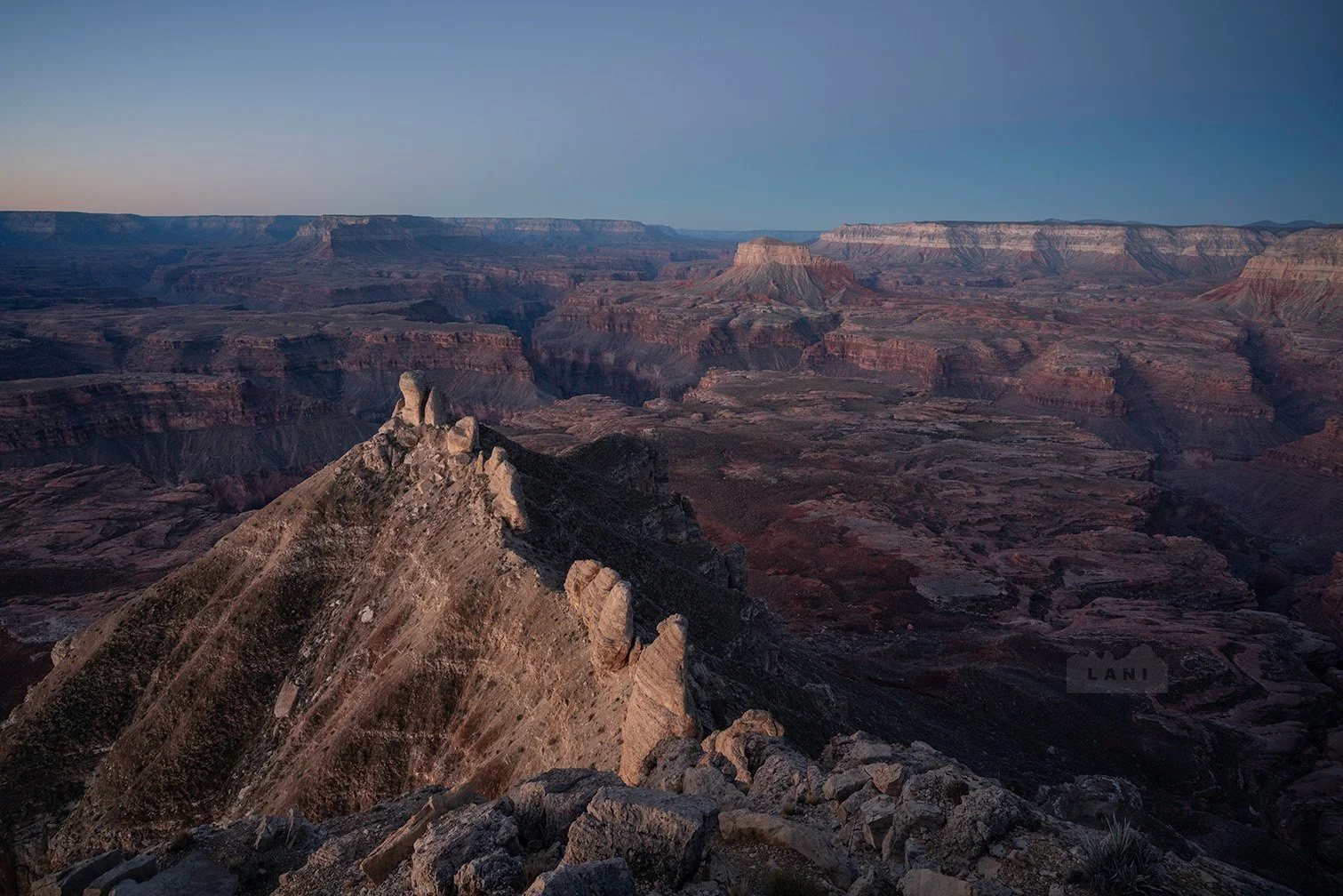
This year, I was fortunate to add one more stunner of a view in SB Point to my non-existent list of jaw-dropping locations. A remote panoramic viewpoint that checked another item off the bucket list I did not know I had.

This November 2025, a friend and I decided to make our way back to the wilds of Utah and Arizona to visit some old favorites and find some new ones. With a little planning and a little luck, we found ourselves at SB Point. A place as beautiful as it is remote. Sort of, as it certainly is somewhat remote but incredibly beautiful. This location came in lieu of Toroweap, a formal remote campground at another stunner of a view along the Grand Canyon’s norther rim. Both places have their distinct charm well-worth experiencing more than once. However, getting to these locations is a bit of a challenge given the travel time on dirt roads and the need for 4x4 high-clearance vehicles through a few technical sections.

Catching the first light of the day and watching the canyon transform through the morning from such a spectacular vantage point made for a very special experience. Every few minutes revealed a different face to the canyon. The canyon seemed to come alive as the light made its way into the many tributary canyons that reach for the Colorado River.

Although the site is remote and lacks any amenities, the food was 5 stars. A perfectly cooked steak with lion’s mane mushrooms, potatoes, and peas courtesy of an excellent chef.

Our explorations took us beyond the Grand Canyon where we marveled at wonderfully preserved dinosaur prints.

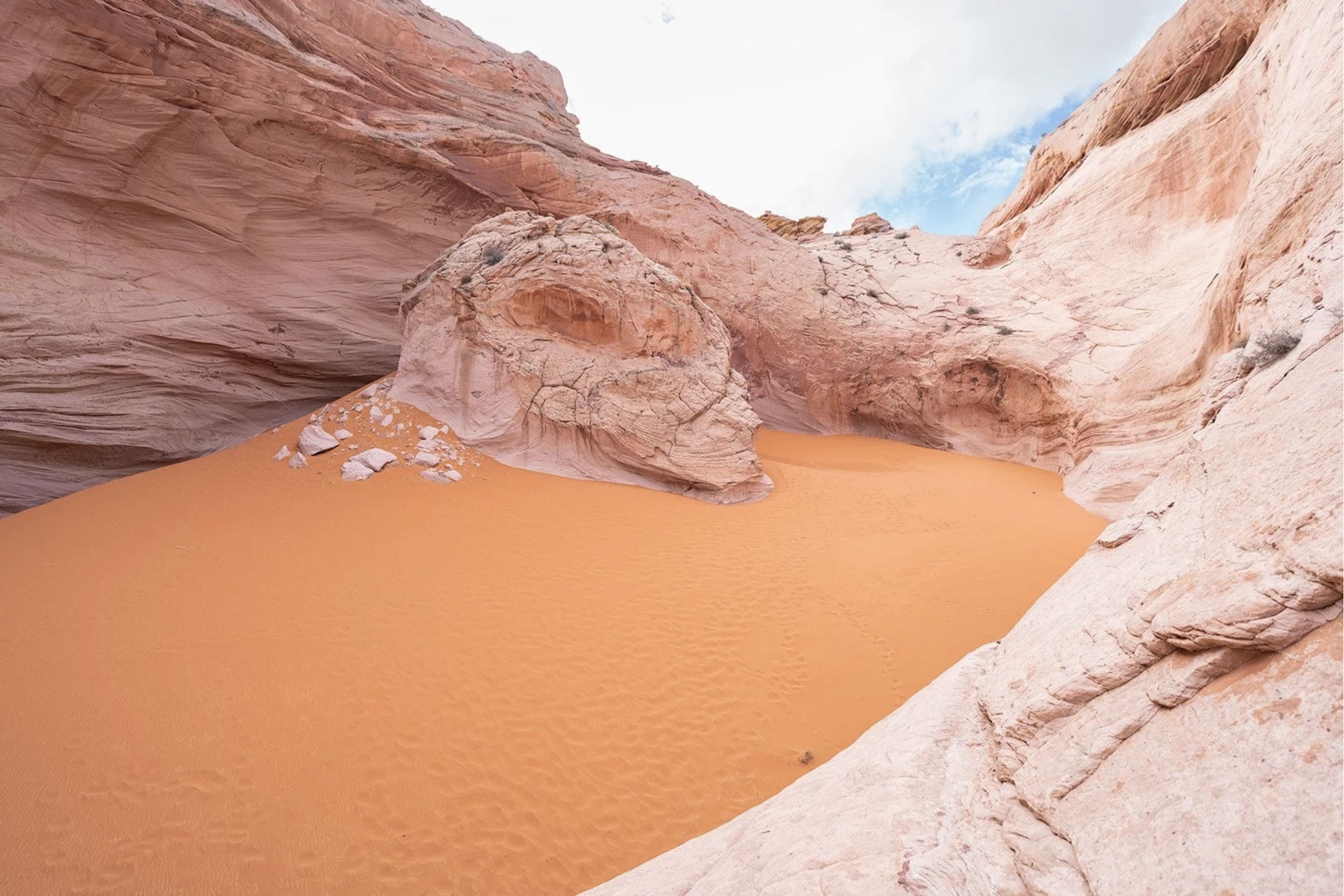
We experimented with sand driving on our way to a slot canyon, and ultimately, we made it back from our excellent trip unscathed.

Read More
luismaguilar1@gmail.com Aguilar luismaguilar1@gmail.com Aguilar

A Few Rare Plant Observations

Who doesn’t like a pretty flower? Raw aesthetics are a good emotional driver, but there is so much more that can get us to an appreciation of beauty. Rare plants are not always charismatic. Often, they can be drab and diminutive, but still, their rarity alone can generate a strong desire.

I started my professional career working with the National Park Service (NPS). As an NPS employee, I wore two hats, one of a GIS/Cartographic Technician and the other of a Botanist. I was fortunate for and enjoyed both very much, but botany inspired me. Under the mentorship of an incredible human, I got to know plants a bit more intimately. I’d always enjoyed them, but a deeper understanding solidified my love for the matter.

Here are a few photos some rare species observations I’ve made over the last few years. Typically, I would dedicate a section to each species or outing, but I am starting new with this one repository of multiple observations. It will be a minute before these plants are in bloom again and I can get out to look for more, but in the meantime, hope you enjoy this retrospective!

Lemon Lily (Lilium parryi)

Lemon Lily

This species in the lily family (Liliaceae) occurs in Southern California and extends into Mexico. The specie is ranked as 1B.2 (rare, threatened, or endangered in California and elsewhere) by the California Native Plant Society.

Lilium parryi

I made this observation in a riparian corridor in the San Bernardino National Forest. Per Jepson eFlora, this species occurs in meadows and streams in montane coniferous forests. Checks out.

Alkali mariposa lily (Calochortus striatus)

Alkali mariposa lily

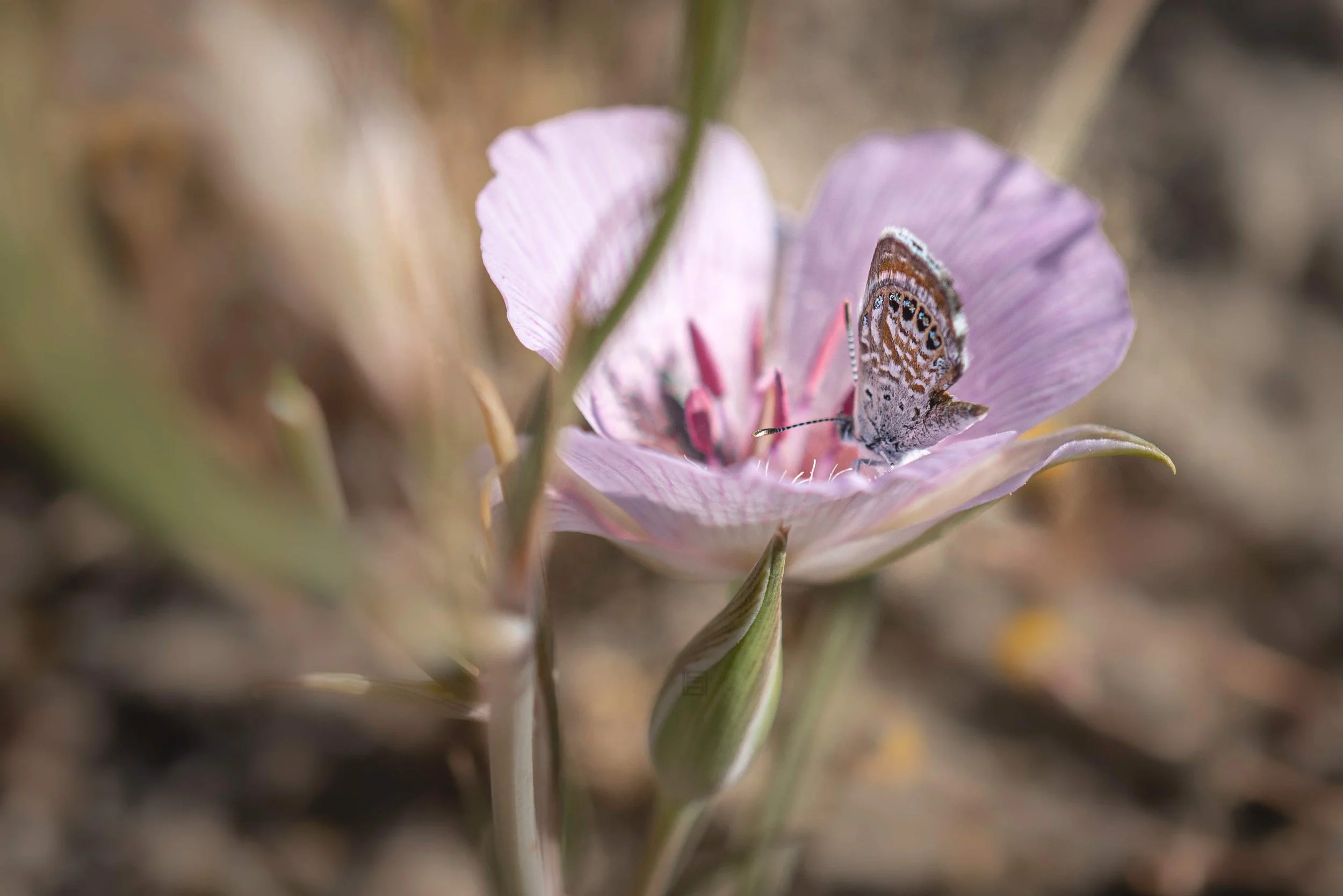
This species in the lily family occurs in Southern California and extends into Western Nevada. The specie is ranked as 1B.2 (rare, threatened, or endangered in California and elsewhere) by the California Native Plant Society.

Calochortus striatus

I made this observation in Lancaster, California during one of my many drives up to the Eastern Sierras. Per Jepson eFlora, this species occurs in alkali meadows and moist creosote-bush scrub.

Pinewoods Fritillary (Fritillaria pinetorum)

Pinewoods Fritillary (Fritillaria pinetorum) is a species in the lily family that occurs at high elevations. In California, the species can be found at various locations in the Sierra Nevada and the Transverse Range. The specie is ranked as 4.3 (limited distribution) by the California Native Plant Society. I made these observations near Lee Vining, California and the Buttermilks outside of Bishop. Per Jepson eFlora, this species occurs in shaded granitic slopes.

Death Valley Monkeyflower (Diplacus rupicola)

Death Valley Monkeyflower

This species in the lopseed family (Phrymaceae) occurs around Death Valley and is endemic (limited to) California. Despite its limited distribution, this specie is ranked as 4.3 (limited distribution) by the California Native Plant Society.

Diplacus rupicola

This find was particularly fun. During a trip with friends to Death Valley National Park, we decided to conduct a dedicated search for the species. Because of its cryptic nature, finding it was no easy task. See image for reference. Per Jepson eFlora, this species occurs in limestone cliff crevices.

Red Rock Canyon Monkeyflower (Erythranthe rhodopetra)

Red Rock Canyon Monkeyflower

This species in the lopseed family has one of the most restrictive ranges of the bunch. This 1B.1 (rare, threatened, or endangered in California and elsewhere) ranked species is limited to the Red Rock Canyon State Park Area. Check out the California Native Plant Society page.

Erythranthe rhodopetra

Would you believe that I made this observation in Red Rock Canyon State Park? Per Jepson eFlora, this species occurs β€œin washes.” :/

Other Monkeyflowers including Calico Monkeyflower (Diplacus pictus) and Mojave Monkeyflower (Diplacus mohavensis).

Calico Monkeyflower (Diplacus pictus) and Mojave Monkeyflower (Diplacus mohavensis) are species in the loped family. Calico Monkeyflowe (the one with the green leaves) occurs in the southwestern foothills of the Sierra Nevada. This species is endemic to California. Calico Monkeyflower is ranked as 1B.2 (rare, threatened, or endangered in California and elsewhere) by the California Native Plant Society. Per Jepson eFlora, this species grows in bare, sunny, and shrubby areas around granitic outcrops. This species was observed around Tejon Ranch.

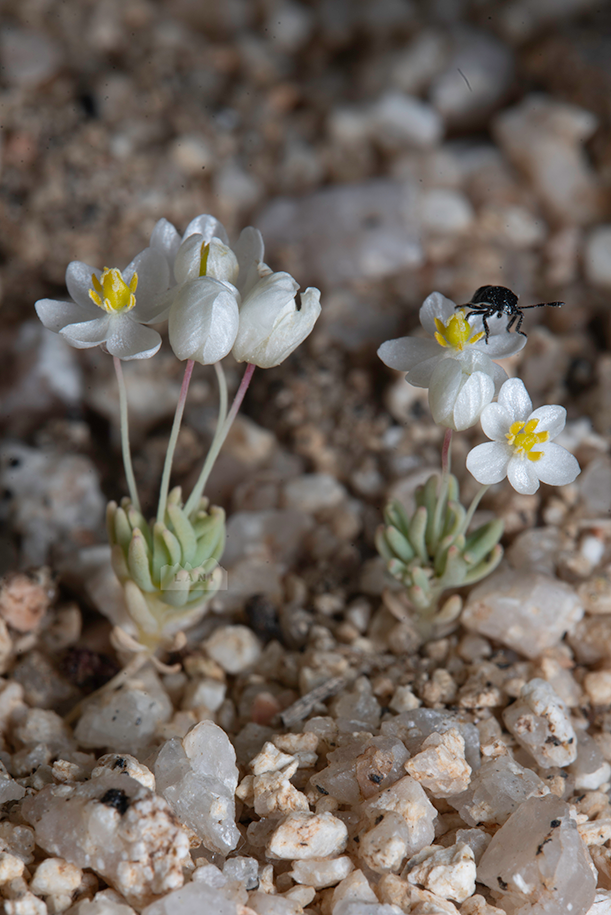
Mojave Monkeyflower (the one with the burgundy leaves) occurs in deserts of San Bernardino County. This species is endemic to California and is ranked as 1B.2 by the California Native Plant Society. This find took several dedicated searches to find. The species is cryptic. Very small and difficult to see. I was ecstatic (yeah, no exaggeration) when I finally found this one. On a side note, I have one cryptic desert species on my list which I have been looking for for years. Per Jepson eFlora, this species occurs in gravely banks of desert washes.

Santa Cruz Island Fringepod (Thysanocarpus conchuliferus)

Santa Cruz Island Fringepod (Thysanocarpus conchuliferus) occurs in Santa Cruz Island and the Santa Monica Mountains. Stay tuned for future details, as I understand that ongoing research may result in the splitting of the island and the mainland populations. This species is endemic to California and is ranked as 1B.2 (rare, threatened, or endangered in California and elsewhere) by the California Native Plant Society and is federally Endangered. I made these observations at two distinct locations in the Santa Monica Mountains. Per Jepson eFlora, this species grows in open dry slopes and cliffs.


Why this post?

Because I want to motivate myself to revisit these passions, rare plant observations and macro photography. I want to share the beauty of rare plants, as I see them anyway. While not comprehensive, these are a few of my favorites. This documenting process brings me joy, and I hope you can find some joy in the product.

Read More